


 Sign in
  Create Account



Red algae in Panama, is it a problem?
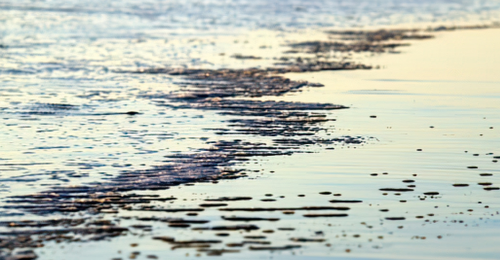
Red algae have arrived at the beaches in Coronado and other areas in Panama West and Coclé. The Algae, which are not very common in Panama, belong to the genus Ceramium.
The National Director of Coasts and Seas at the Ministry of the Environment (MiAmbiente) explained that this specific algae has not been previously reported in the Panamanian Pacific.
MiAmbiente clarified that this proliferation does not correspond to a “red tide.”
Red tides are another phenomenon linked to certain microscopic organisms and, depending on the species involved, can produce toxins that affect marine organisms and people who consume contaminated species.
The genus Ceramium has not been identified as a toxic algae.
That being said, when large amounts of algae reach the coast and accumulate, they can cover extensive areas and begin to decompose, which affects oxygenation in the area. If the accumulation persists for a long time, it can create an environment with very little oxygen, harming the organisms that live there.
Why is there Red Algae on Panama’s Pacific Coast?
With oceans warming and more nutrient availability, we have likely created the conditions for algae growth.
This is one of the hypotheses.
There are more nitrates and phosphorus in the ocean; these nutrients can reach the ocean through runoff, sediment runoff, and wastewater. There is also more related to domestic discharges, sewage, detergents, and leaks from septic systems and fertilizers.
Professor Claudia Pérez, from the Department of Genetics and Molecular Biology at the University of Panama and director of the Cryobiology Research Center, explained that algae need nutrients to grow and that environmental factors such as temperature.
Pérez also believes that the temperature of the ocean may be among the factors.
"This bloom of this red algae in the Pacific is most likely related to the El Niño phenomenon."
Is Red algae a Problem in Panama?
While the algae are not toxic, decomposition smells bad, so large accumulations of algae can have consequences for beaches used for tourism and recreation.
For now, MiAmbiente does not have a specialized team specifically dedicated to removing these algae from the beaches, as in other countries where cleanup is usually carried out by the municipalities in the affected areas.
In Panama, the algae can be washed back out to sea by the changing tides and do not seem to be accumulating as it has been in other countries like Mexico.
Other Algae Affecting Panama’s Caribbean
Panama also faces another phenomenon related to large accumulations of algae, which is sargassum; however, that is mainly in the Caribbean.)
When it forms thick layers over these ecosystems, it can prevent light from reaching the seabed. This affects organisms such as corals and seagrasses, which need light to carry out their biological processes.
Both phenomena have in common that an excessive accumulation of biomass can generate environmental and social effects, although they involve different organisms and situations.
Trending Tags