


 Sign in
 Create Account


Navarro Talks on biodiversity loss in Panama
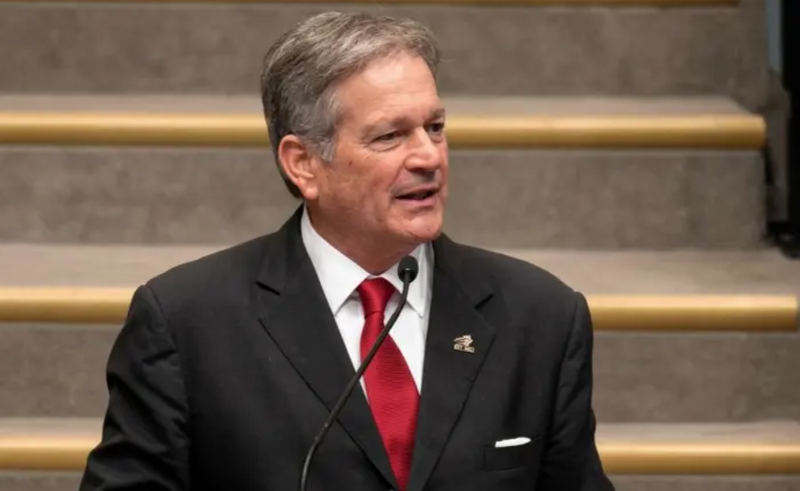
Environment Minister Juan Carlos Navarro stated that, after more than three decades of international conferences on the subject, now is the time to address the accelerated loss of biodiversity.
In the context of the recently concluded COP17 of the United Nations Convention on Biological Diversity, the Minister of Environment, Juan Carlos Navarro, urged countries to move from words to action to protect nature.
In his speech, Navarro highlighted the progress made by Panama in environmental management during the administration of President José Raúl Mulino. Explained that the country has gone from having around 100 active park rangers to a total of 724 officers deployed in protected areas. He added that these workers now have formal contracts, uniforms, timely payments, and improved working conditions in stations and shelters located in remote areas.
He also reported that of the 124 existing protected areas in Panama, only five had a director at the beginning of the current administration, while currently 65 have designated directors, intending to cover all of them in the short term.
Among other actions implemented, Navarro mentioned the installation of some 60 Starlink antennas in remote park ranger stations, the incorporation of the EarthRanger platform for environmental monitoring, and the delivery of boats and vehicles to strengthen surveillance and protection efforts.
He also highlighted that in the last two years nearly 20,000 signs have been placed on the boundaries of national parks, with messages aimed both at promoting citizen collaboration and warning about the penalties for those who affect protected areas.
Navarro concluded his remarks by reiterating Panama’s central message to the international community: less talk and more concrete action to conserve biodiversity on the ground.
The 2026 UN Biodiversity Conference in Yerevan
The 2026 UN Biodiversity Conference in Yerevan adopted key decisions to enhance the Convention on Biological Diversity (CBD) and address global biodiversity challenges. The major outcome, the Yerevan Pathway, responds to the first global review of the Kunming-Montreal Global Biodiversity Framework, highlighting that progress is needed to meet its 23 targets by 2030. The Pathway prioritizes actions such as reducing harmful subsidies, increasing support for developing countries, and improving monitoring mechanisms.
Key points from the conference include:
- Adoption of nearly 50 decisions to strengthen biodiversity action.
- New financial commitments totaling nearly $2 billion.
- Significant focus on engaging indigenous peoples in biodiversity policy.
- Initiatives aimed at reforming harmful incentives and enhancing biodiversity education.
The conference underscored the urgency of aligning economic decisions with biodiversity goals and mobilizing resources for implementation. Attention now shifts to applying the Yerevan Pathway and preparing for COP 18 in Ecuador, with four years left to achieve the biodiversity targets.