


 Sign in
  Create Account



Can the Chame River Support the Growing Beach Population?
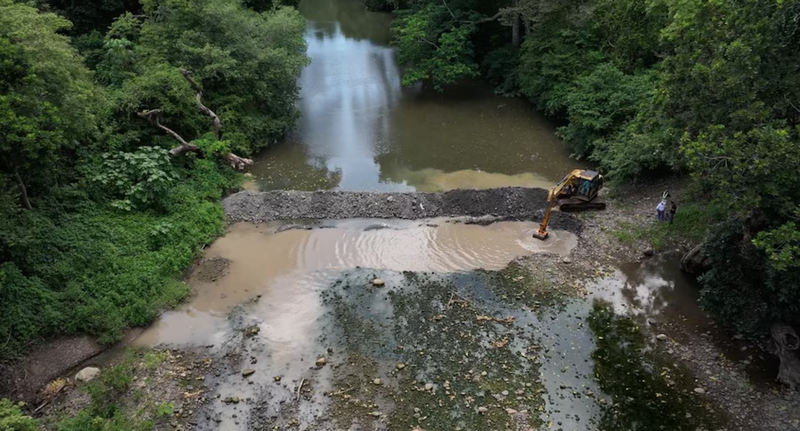
"Chame, Bejuco, Gorgona, Coronado, and Punta Barco depend on the Chame River maintaining sufficient water to guarantee their water supply", reported La Prensa on August 26th 2026.
The news source reported that maintaining sufficient water to guarantee their water supply during a lack of rain has created a complicated situation. According to La Prensa, this area has approximately 18,500 permanent residents. During weekends, holidays, and especially the peak summer season, the population of this coastal strip can double or even triple, with over 45,000 additional people, including tourists, beach house owners, and visitors.
As of August 24, the Institute of Aqueducts and Sewers (Idaan) has been building a dam in the area, which will capture water for the Chame water treatment plant, in order to prevent the river’s drop. The plant has the capacity to produce 5.5 million gallons daily, which are distributed among these five communities.
The construction of the dam aims to guarantee the intake of raw water necessary to maintain the production of 5.5 million gallons of drinking water per day in Chame. The biggest challenge will come between December and April, during the driest time of year, when rainfall will be scarce and there will be few opportunities to replenish stored water.
Sergio Garcia, regional manager of IDAAN in the beach area of West Panama, pointed out that the dike will help maintain the water level required by the intake that supplies the Chame water treatment plant and guarantee the supply to the communities that depend on this system.
The actions are taking place under the declaration of a national state of emergency approved by the Cabinet Council on August 25, due to the climatic behavior associated with the El Niño phenomenon.
The Institute of Meteorology and Hydrology of Panama (Imhpa) explained that the phenomenon will reach greater intensity, with a rainfall deficit during the months of October, November and December of 2026, as well as in January, February and March of 2027. Extending until May 2027, with high temperatures that could impact the population, the agricultural sector, and all the country’s water resources.
Trending Tags